Materials I have chosen to focus on for this exercise are Stone, Metal and Glass. Each were paramount in Wallot’s design as they are in Fosters but with glass used to a much greater extent and taking a higher ranking than in Wallot’s Reichstag.
Stone

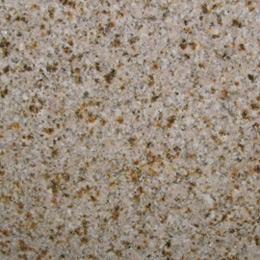
Stone, in this case granite is the main ingred ient of this building. It is the bones of the building, it gives it its great bulk and presence. It’s density and fire resistant qualities, no doubt what gave the building its strength and stam ina to stand the conflict it was put through.
Stone is not a material which Foster is known for creating new buildings with, he has however worked on numerous projects where historic structures have been restored or added to. Example of these are;
of course the Reichstag, Chateau Margaux, Apple Champs-Elysees and HM Treasury.

When rebuilding the Reichstag Foster wanted to bring stone from France, which he believed to be of superior quality. Foster however received pressure to use German Stone.

In order to sense the history in the structure Foster has stuck to the original stone material and retained as much of the original building as is possible.
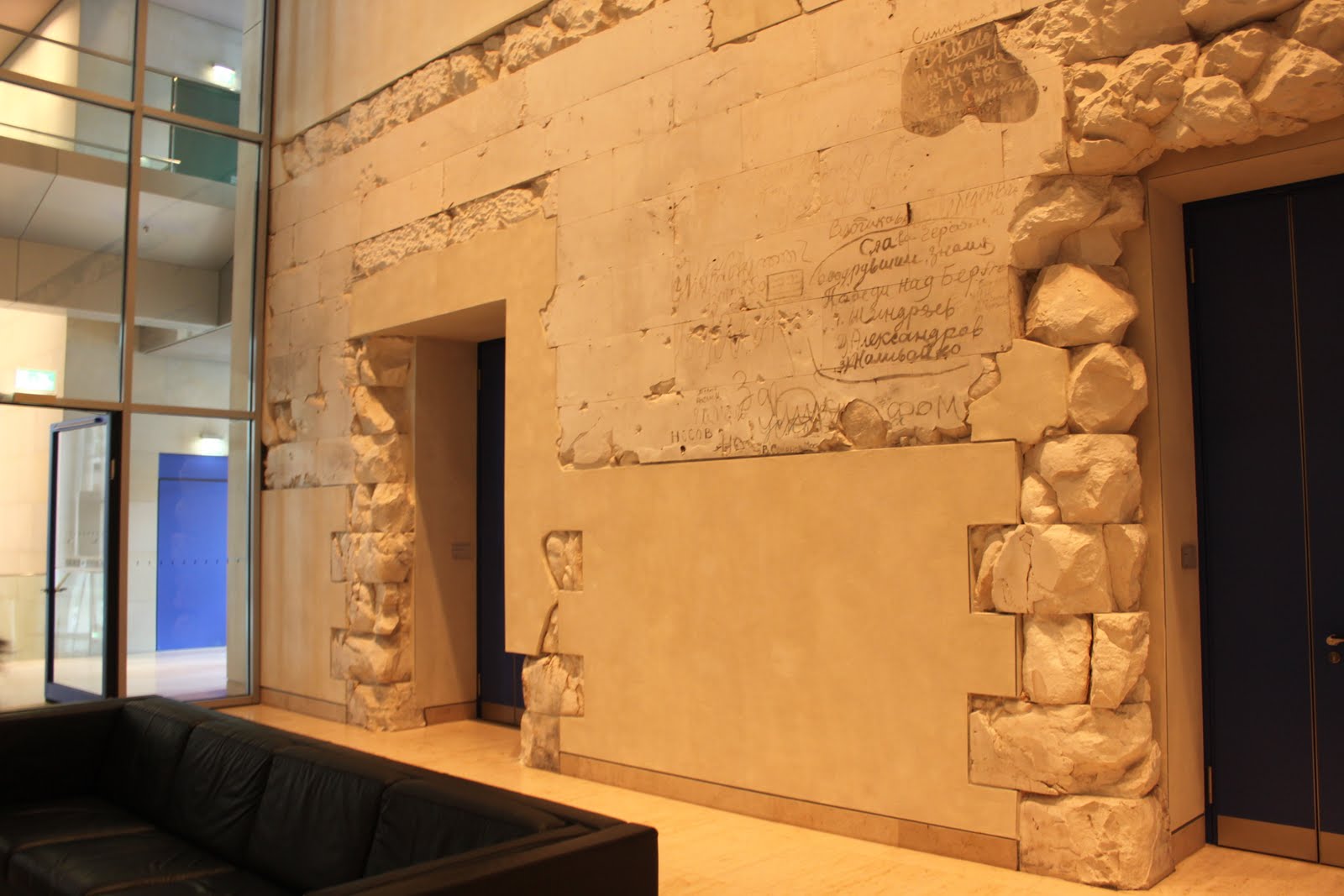
Although not entirely throughout the building, Foster has been sympathetic in his rebuild, maintaining as much of the original structure as possible and where ‘junctions between old and new work are expressed and where the existing fabric has been repaired the junction is clearly articulated’ (Foster, 2000: 77) This is done by leaving a small space (shadow gap) between the old and new as can be seen in the images.

It is easy to spot new stone within the building, it is smooth and undisturbed in great contrast with the original which has been marked by it’s historic past.

Glass

Glass has become the most Important of materials within the Reichstag. The most prominent glass structure being the cupola.
The glass and the cupola honor Wallot’s glass dome, but unlike Wallot’s dome, which was heavy and empty and could not be viewed from inside the building, Fosters glass dome is light in appearance and valuable in so many ways.
Glass is transparent and clear, exactly the message the German government wanted to give to their people, the reason Foster has used glass not just in the cupola but to a huge extent throughout the refurbishment. It provides views in and out and does not allow for secrets, much in contrast to Wallot’s compartmentalised darkly decorated interior.

7. 
8. 
9. 
10. 
11.
Glass also permitted Foster to work to the sustainable and ecological brief, bringing a vast amount of light and heat into the building. Cells within the Cupola use light to produce electricity and the mirrors within the cupola produce heat, reducing the need for fossil fuels.
Glass is ubiquitous in Fosters projects, it allows him to provide the sustainable and ecological benefits that he believes every building should offer. It is not always the prominent material like we see with the Hearst Tower or Seagram building but it always has an important role to play. We have seen the use of glass on all the projects I touched on through my research but other good examples include the Apple Cotai Central project in Macau where layers of glass and stone are integrated to give the appearance of a translucent stone façade, which provides a still and tranquil atmosphere internally.

12. Apple Cotai Central, Macau
Mirrors
The light reflector within the cupola is made using mirrors which come together to create a huge lens which reflects light down into the chamber. It has been hugely effective due to there being no tall buildings surrounding the Reichstag so allows a full unobstructed sky to bring in light. By interacting within a number of other elements within the cupola the mirrors provide heat. The mirrors and the system in which they are part of allows sunlight to enter into the chamber or for the outside changes in nature to be sensed from the inside.

Earlier examples of mirrors in Fosters work can be seen in the Fred Olsen project set in a forest in Norway, mirrors were used to project skylight into the interior of the building. In the 1985 Hong Kong and Shanghai Bank Headquarters, with the creating of the sun scoop which brought light into the atrium and public plaza. In his 2018
Apple’s Champs-Élysées project Foster created a pyramid shaped solar roof, which reflects light on and into the building while also reflecting images of surrounding buildings.

14. Apple Champs-Élysées
Steel
Steel is a favoured material of Fosters, with the majority of buildings which I have looked at through this research being constructed of steel. It is what gives Fosters the ability to build sky scrappers such as the HSBC building and to create a structure to which glass can hang from effortlessly and almost unobstructed, such as the Supreme Court in Singapore.

Wallots original dome structure was made from steel as is Fosters, but Fosters use of steel feels far more valuable, on show and useful giving the structure a much lighter more buoyant feel.
The structure of the dome was made from steel, constructed by German structural engineers. The structure weighs more than 800 tons but is created to look delicate with 24 curved ribs running from the top to the bottom of the dome to which the ramps are hung. Attached to the ribs are horizontal ringed beams, attached to the ribs by steel connectors and welded joints. The cone is then attached to the chamber ceiling using stainless steel cables. The Cupola is then attached to the building by piercing the ceiling of the chamber from where the chamber can be viewed.
The steel connects with the glass and mirrors, allowing the glass dome to sit gracefully on top. The steel then connects with the building as it is held in place and sits majestically, bringing all of these materials together in a considered and symbolic way.

Steel is used in other internal areas throughout the building such as window frames, handrails & staircases.

15. 
16. 
17. 
18.
The image below displays how the contemporary, airy and luminous glass and steel structure contrasts while integrating with the heavy, robust and resilient stone of the past.

Bibliography
Images
Figure 1 [image] http://www.stone-export.com/German/images/granite/G682-2.jpg. (Accessed on 05.03.19)
Figure 2 [photograph] https://www.fosterandpartners.com/projects/hm-treasury/ (Accessed on 08.03.19)
Figure 3 [photograph]
http://4.bp.blogspot.com/-58HR-uqjhEM/Tj2JNsDhFTI/AAAAAAAAAIM/bLa-hVCiF38/s1600/IMG_5484.JPG. (Accessed on 08.03.19)
Figure 4 (2000). [photograph] In Foster, N. Rebuilding the Reichstag. Plate No: 81. Woodstock, N.Y: Overlook Press.
Figure 5. [photograph]https://upload.wikimedia.org/wikipedia/commons/7/77/Reichstag_soviet_graffiti_2.jpg. (Accessed on 05.03.19)
Figure 6. [photograph] https://www.fosterandpartners.com/projects/reichstag-new-german-parlament/#gallery (Accessed on 05.03.19)
Figure 7 (2000). [photograph] In Foster, N. Rebuilding the Reichstag. Plate No: 134. Woodstock, N.Y: Overlook Press.
Figure 8 (2000). [photograph] In Foster, N. Rebuilding the Reichstag. Plate No: 137. Woodstock, N.Y: Overlook Press.
Figure 9 (2000). [photograph] In Foster, N. Rebuilding the Reichstag. Plate No: 117. Woodstock, N.Y: Overlook Press.
Figure 10 (2000). [photograph] In Foster, N. Rebuilding the Reichstag. Plate No: 125. Woodstock, N.Y: Overlook Press.
Figure 11 (2000). [photograph] In Foster, N. Rebuilding the Reichstag. Plate No: 114. Woodstock, N.Y: Overlook Press.
Figure 12 (dome mirrors) [photograph]https://i.pinimg.com/736x/f3/01/8f/f3018f19d65f5ee9b041bdc67673e8da.jpg. (Accessed on 08.03.19)
Figure 13 [photograph]https://www.fosterandpartners.com/projects/apple-champs-elysees/. (Accessed on 08.03.19)
Figure 14 [photograph]https://www.fosterandpartners.com/projects/supreme-court-of-singapore/ (Accessed in 08.03.19)
Figure 15 (2000). [photograph] In Foster, N. Rebuilding the Reichstag. Plate No: 66. Woodstock, N.Y: Overlook Press.
Figure 16 (2000). [photograph] In Foster, N. Rebuilding the Reichstag. Plate No: 86. Woodstock, N.Y: Overlook Press.
Figure 17 (2000). [photograph] In Foster, N. Rebuilding the Reichstag. Plate No: 77. Woodstock, N.Y: Overlook Press.
Figure 18 (2000). [photograph] In Foster, N. Rebuilding the Reichstag. Plate No: 76. Woodstock, N.Y: Overlook Press.
Figure 19 http://www.fosterandpartners.com, F. (2019). Reichstag, New German Parliament | Foster + Partners. [online] Fosterandpartners.com. Available at: https://www.fosterandpartners.com/projects/reichstag-new-german-parliament/#gallery [Accessed on 26.02.19)
Sources
Civil Engineering Blog. (2016). Common Buidling Stones – Characterisitics of Building Stones. [online] At: http://www.civileblog.com/building-stones/ (Accessed o 05.03.19)
Foster, N. (2000). Rebuilding the Reichstag. Woodstock, N.Y.: Overlook Press.
 Lee's study journey